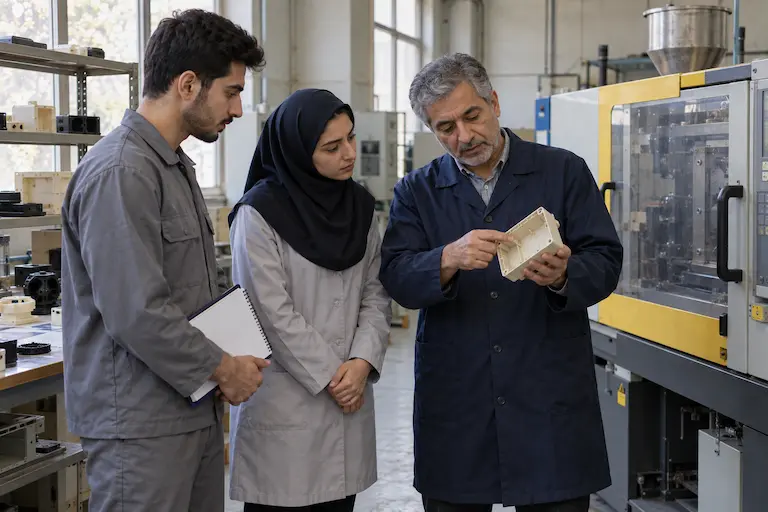
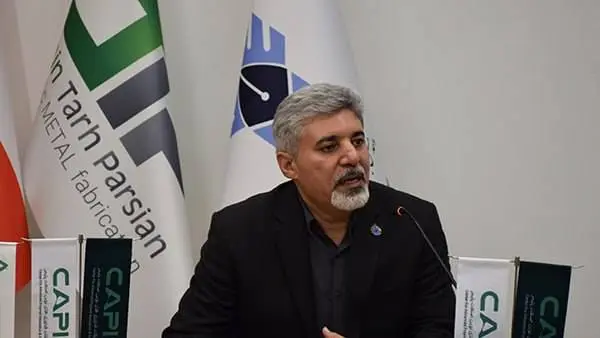
Two research groups—Manufacturing Engineering and Polymer Chemistry—have been defined within CAPIS, the research centre for advanced polymer technologies. Majid Hashemzadeh, Head of the centre, outlined their membership and plans to establish research teams aligned with industrial needs.
According to Hashemzadeh, these two disciplines were selected in consultation with Vulkan Industrial Group’s management and in response to requirements across its production chain. This structure is intended to enable academic specialists to contribute to the assessment of industrial challenges and the development of research projects.
Manufacturing Engineering Research Group
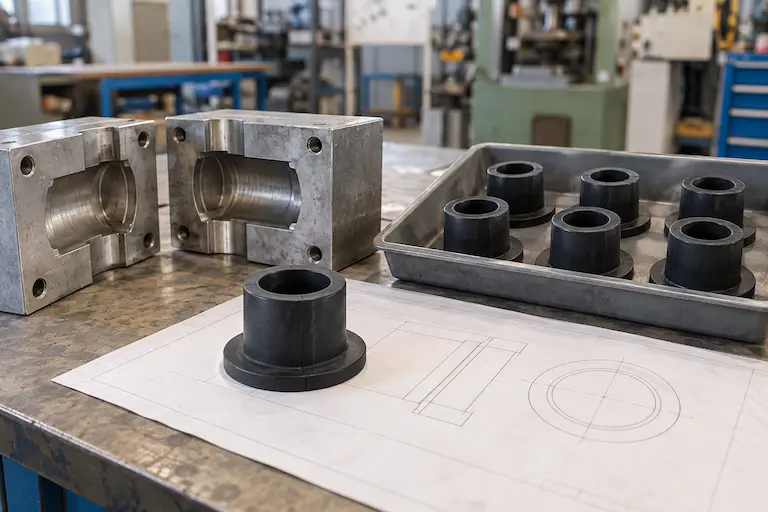
Hashemzadeh identified the need for engineering expertise in production equipment and tooling as one of the reasons for defining the Manufacturing Engineering research group. He referred to the manufacture of moulds and presses at Jamin Tarh, part of Vulkan Industrial Group, as a section of the industrial production chain that informed the formation of this research group.
According to the membership announced at the time of the interview, the Manufacturing Engineering group comprised seven faculty members from Islamic Azad University, Najafabad Branch. The purpose of defining this group is to provide academic expertise relevant to manufacturing challenges within the centre’s research collaborations.
Polymer Chemistry Research Group
The second group introduced within CAPIS is the Polymer Chemistry research group. According to the Head of the centre, the nature of Vulkan Industrial Group’s rubber products and CAPIS’s focus on polymer science were among the reasons for defining this group.
At the time of the interview, the group had nine faculty members. Alongside members from Islamic Azad University, Najafabad Branch, it included one member from the South Tehran Branch and one from the Kashan.
Hashemzadeh also identified the expansion of the centre’s activities into areas such as thermoplastics, thermosets and composites as a future objective. These areas were presented in the interview as directions for development, rather than a list of completed projects or operational services.
Research Groups and Project-Specific Teams
In the structure described, research groups provide the centre’s disciplinary framework, while research teams are intended to form around specific projects.
Hashemzadeh clarified that, under the announced plan, the composition of each team would be determined by the subject and requirements of the project, with university academics and postgraduate students participating.
These teams would not necessarily be permanent. Their activities could pause when a project ends and resume when a new research need emerges. The introduction of two research groups therefore does not mean that all teams have been established or that projects are underway in every related field.
Industrial Needs as the Basis for Research Projects
The Director of CAPIS identified real industrial problems as the basis for defining projects. He explained that, at the time of the interview, work was underway to identify challenges across Vulkan Industrial Group’s operating sites and workshops so that they could be presented to the Strategic Council for assessment and prioritisation.
Under the approach outlined, the need and significance of a problem would first be established, followed by consideration of project development and the organisation of the required expertise. Expanding the collaboration network to identify needs in other industries was also among the plans discussed for the future.
The Role of Academics and Students in Collaboration
Hashemzadeh identified student participation in industrial projects under academic leadership as one of the centre’s objectives. In this model, students are expected to have opportunities to become familiar with production challenges and gain practical research experience alongside their university education.
The teaching programmes and laboratory arrangements discussed in the interview were also part of preparations for this environment. This report presents the structure and plans announced at that stage and does not confirm that all of these plans were subsequently implemented.
To discuss an industrial challenge or propose a research collaboration, contact CAPIS.