Sustainability in the polymer industry requires attention to technical performance, economic value and the environmental and social implications of production. Product quality and profitability remain important, but an industrial solution should also be assessed in terms of resource use, component durability and its effects on the production process.
Within CAPIS’s strategic direction, this perspective connects research with the future of industry. The aim extends beyond addressing an economic problem: research should help improve industrial performance while supporting greater attention to environmental, social and organisational responsibilities.
The Circular Economy, Carbon Footprint and Alternative Raw Materials
The circular economy, carbon footprint and alternative raw materials have been considered in the development of CAPIS’s strategic direction. These topics provide a basis for research questions concerning industrial materials, products and processes.
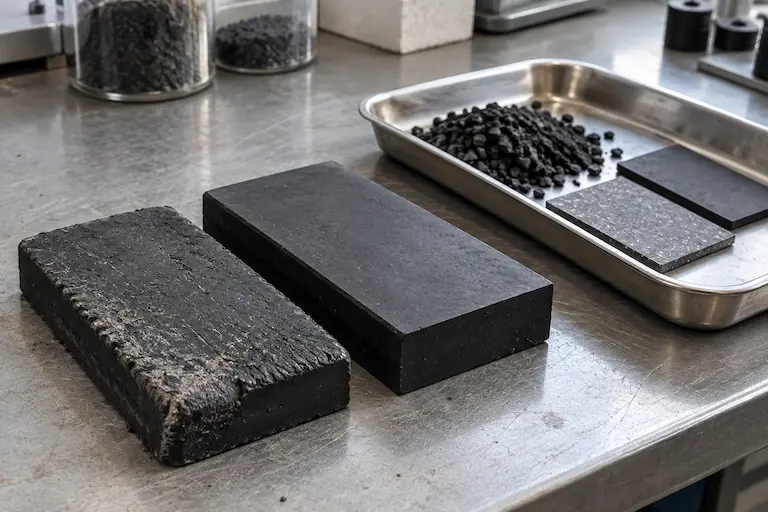
From this perspective, assessing a material extends beyond its initial properties. How it is used, its service life in the intended application and opportunities to reduce resource losses also matter. Alternative raw materials must likewise be assessed against the product’s technical requirements so that a material change does not compromise the necessary performance.
These considerations establish a research direction. Demonstrating the advantages of any solution requires data and assessment appropriate to its application.
Component Durability and Process Quality
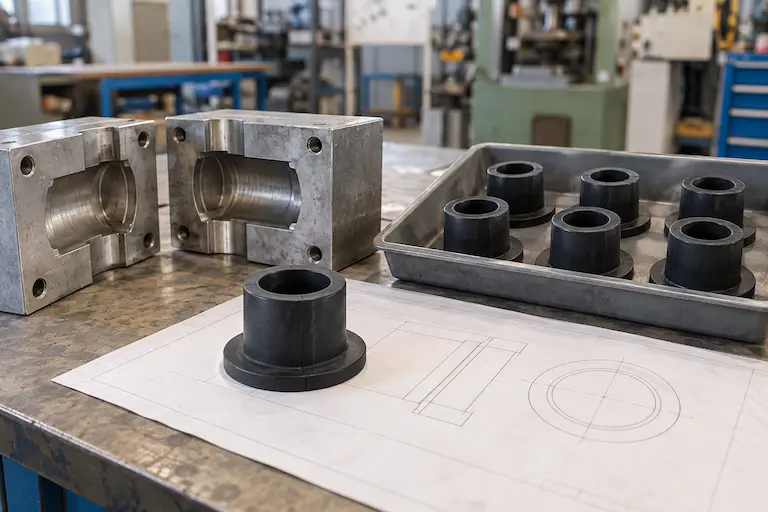
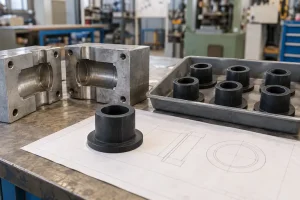
One area of interest for CAPIS is the performance of polymer components in comminution processes. Here, reducing wear and extending component life must be considered alongside maintaining or improving the quality of the comminution process.
A single property is not enough to determine whether a solution is suitable. A longer-lasting component must also perform its function effectively within the equipment. Material and component design therefore need to be assessed with an understanding of operating conditions and production requirements.
In this context, longer component life and improved process performance are research objectives. Their achievement must be established through assessment and documented results.
Social Responsibility within Industrial Activity
The approach outlined for CAPIS treats social responsibility as broader than charitable activity. The effects of production on the environment, employment, health and surrounding communities also form part of an industrial organisation’s responsibilities.
Sustainable value creation therefore involves considering both economic results and the wider consequences of an organisation’s activities. Organisational governance and decision-making matter within this framework, because continuity depends on embedding this approach in plans and decisions.
Research for the Future of Industry
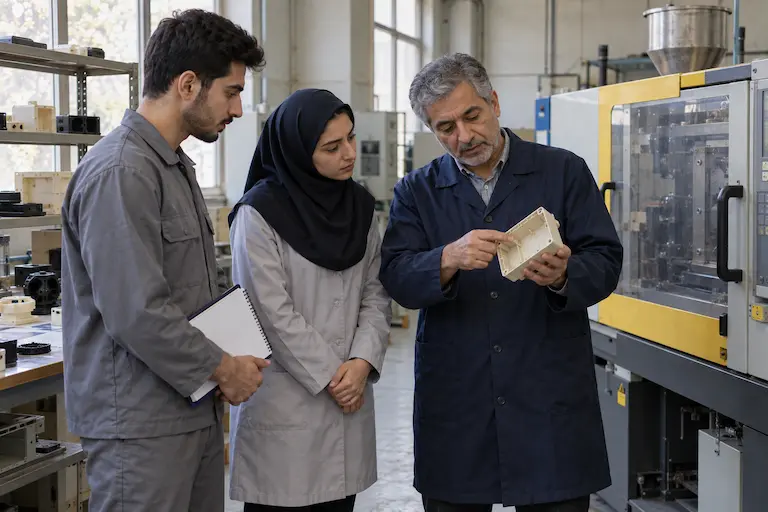
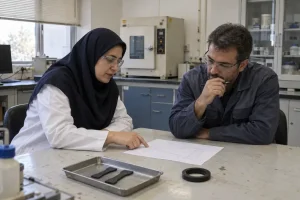
Research and development is an investment in the future. Collaboration between Vulkan Industrial Group’s industrial experience and the academic capabilities of Islamic Azad University, Najafabad, is intended to provide a basis for examining future needs and developing appropriate solutions.
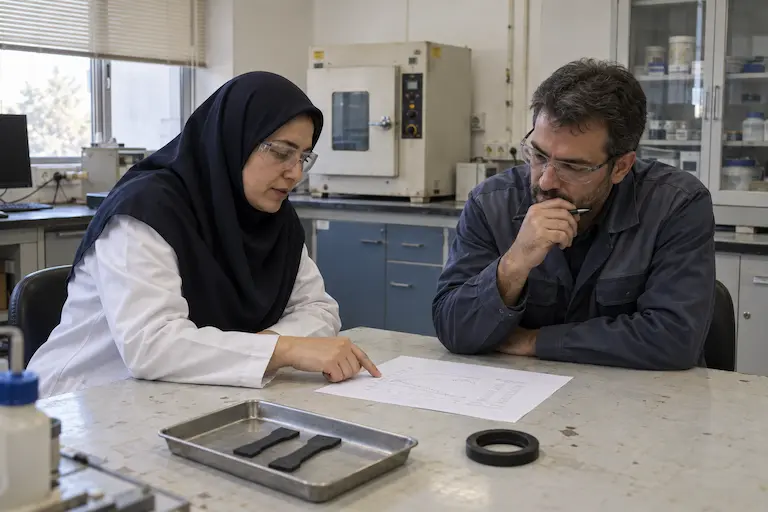
CAPIS’s priority is to connect this long-term perspective with specific industrial problems: a clearly defined need, an assessable objective and research whose outcomes can be examined under real operating conditions. The circular economy, reduced environmental impacts and improved component durability and performance belong within this framework.
To explore collaboration on materials, component durability or improvements to industrial processes, share your challenge with CAPIS.